

You've just finished a load of laundry, ready to transfer everything into the dryer, only to discover that your clothes are soaking wet and your washing machine is still full of water. Perhaps the washer is making a strange humming or grinding noise, displaying an error code, or refusing to unlock the door.
It's frustrating, inconvenient, and somehow always seems to happen when you have more laundry waiting.
The good news is that a washing machine that won't drain doesn't necessarily need to be replaced. Many drainage problems are repairable, and in some cases, a simple cleaning or maintenance check can resolve the issue.
At The Appliance Whisperer, we regularly help homeowners across Ottawa diagnose and repair washing machines experiencing drainage problems. In this guide, we'll explain the most common causes, what unusual noises may indicate, what you can safely check at home, and when it's time to call a professional appliance technician.
Signs Your Washing Machine Is Not Draining Properly
A drainage problem can present itself in several different ways. Some of the most common symptoms include:
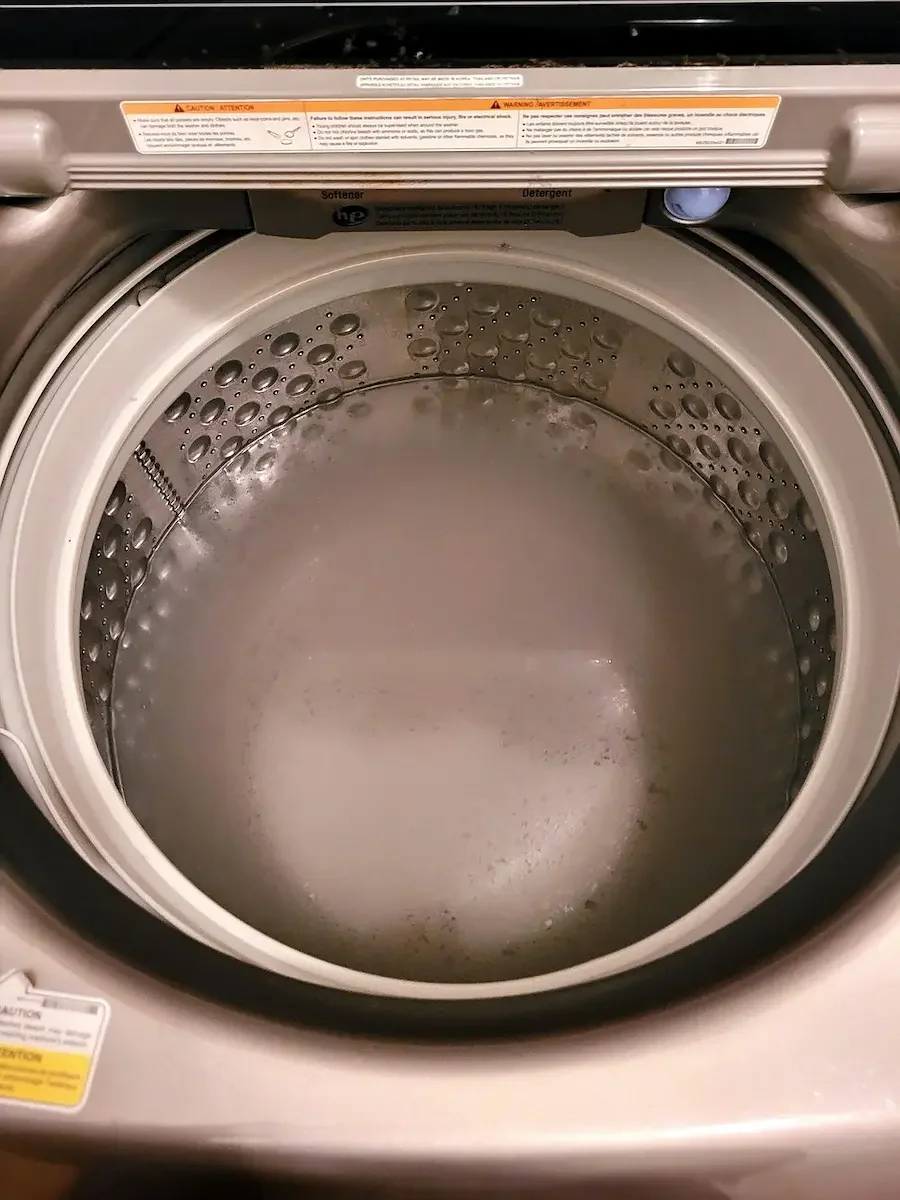
Water remaining inside the washing machine after the cycle.
Clothes coming out soaking wet.
The washer draining slowly or not draining at all.
A washing machine that won't drain or spin.
Unusual humming, growling, rattling or grinding noises.
The washer stopping before completing the cycle.
A front-load washing machine door that remains locked.
Drainage-related error codes appearing on the display.
Unpleasant odours caused by standing water.
If you're experiencing any of these symptoms, the drainage system is often a good place to start investigating.
Why Is My Washing Machine Not Draining Water?
There are several possible reasons why your washing machine may suddenly stop draining. Identifying the root cause is important before replacing any components.
1. A Clogged Drain Pump Filter
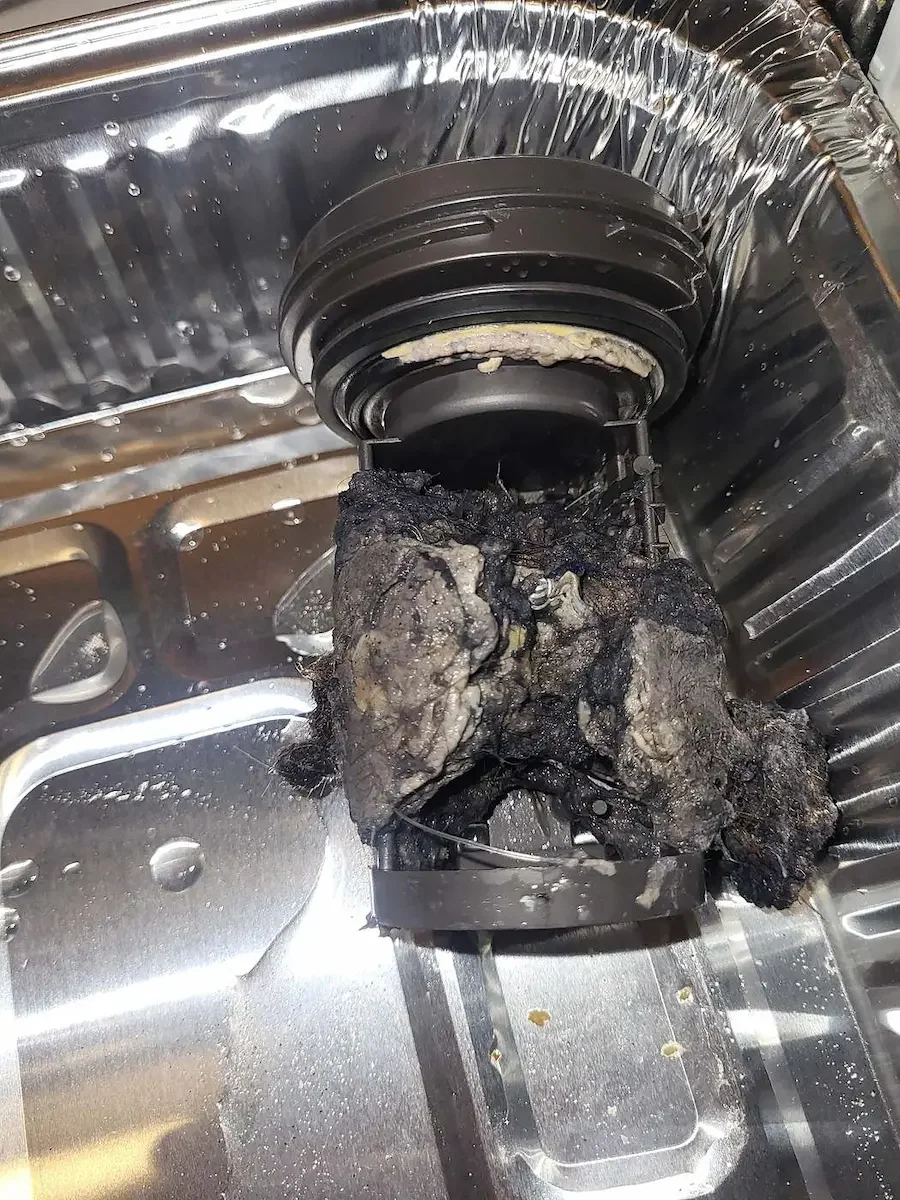
A blocked drain pump filter is one of the first things worth checking, particularly on front-load washing machines. Over time, lint, pet hair, coins, hairpins, buttons and other small objects can accumulate inside the filter, restricting water flow.
During our washer repair appointments, we're often surprised by how many customers are unaware that their washing machine has a drain pump filter. Some have owned their appliances for years without ever cleaning it.
Depending on the severity of the blockage, cleaning the filter may be all that's needed to restore normal drainage.
Not every washing machine has a customer-accessible filter, so always refer to your owner's manual before attempting to locate or clean it.
2. A Faulty or Damaged Drain Pump
The drain pump is responsible for removing wastewater from your washing machine at different stages of the cycle.
A pump can become blocked by foreign objects, develop mechanical damage, fail electrically or simply wear out over time.
Small objects left inside clothing pockets can damage the pump impeller or other drainage components. Sharp objects may even puncture parts of the drainage system and cause water leaks.
However, not every drain pump failure is caused by poor maintenance. Even a well-maintained washing machine can experience mechanical failure due to natural wear and tear.
3. A Clogged or Kinked Drain Hose
The drain hose carries wastewater from your washing machine into your household drainage system.
A bent, crushed or blocked hose can restrict water flow and prevent the washer from draining properly.
This is particularly worth checking if your washing machine has recently been moved or installed.
If water is backing up from your laundry sink or standpipe, the issue may be related to your household plumbing rather than the washing machine itself.
4. Excessive Detergent
Using too much detergent, or using regular detergent in a high-efficiency washing machine, can create excessive suds.
This may interfere with drainage, extend wash cycles and prevent the washer from reaching its proper spin speed.
Always use the appropriate detergent and follow the manufacturer's recommendations.
5. Electrical or Control System Problems
Occasionally, the drain pump itself may be functional, but the washing machine is not activating it correctly.
Damaged wiring, electrical connections, water level sensing issues or control board faults can prevent the drainage cycle from operating properly.
These situations require professional diagnostic testing to avoid replacing unnecessary parts.
Why Is My Washing Machine Making a Humming or Grinding Noise but Not Draining?
Unusual noises during the drainage cycle are often valuable clues when diagnosing a washing machine.
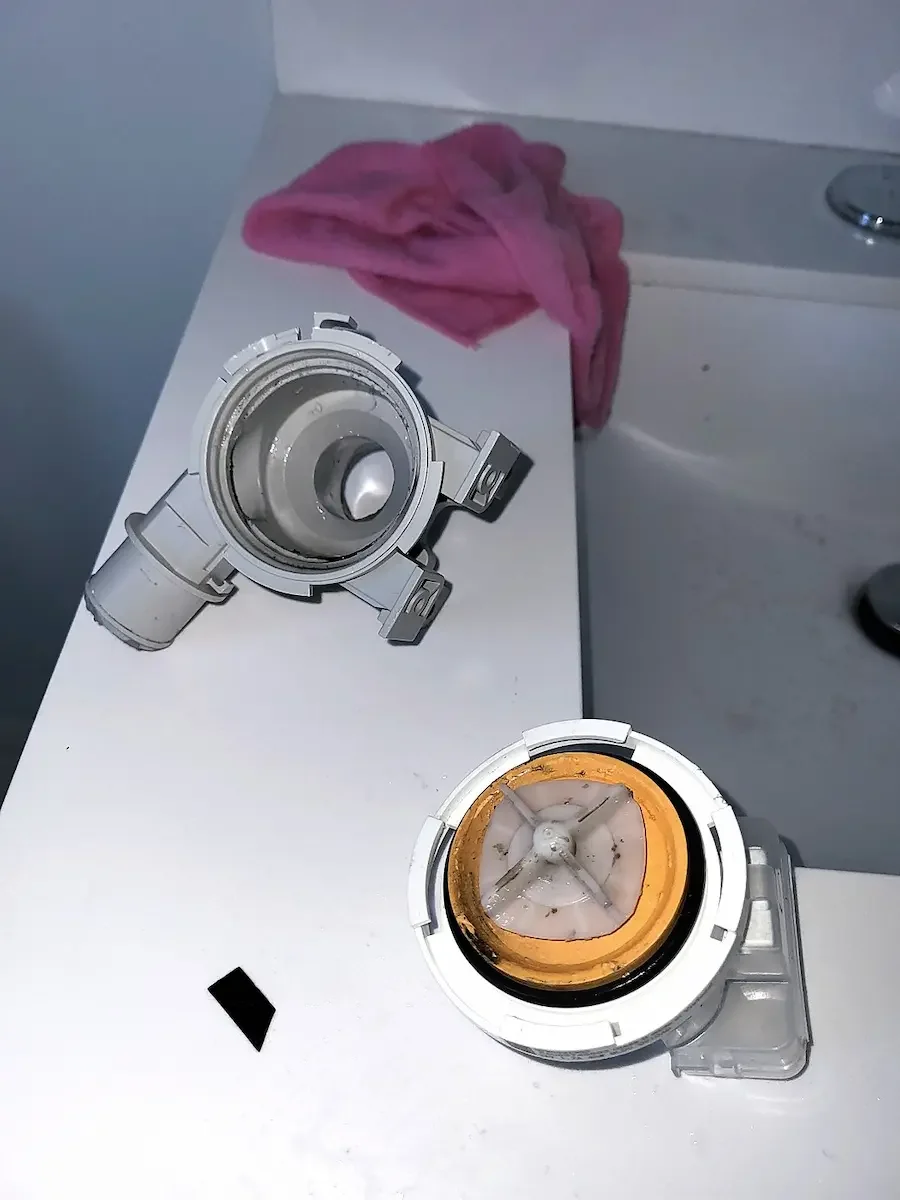
Based on our hands-on experience, customers commonly describe two very different situations.
Sometimes, the washing machine becomes unusually quiet, with only a faint humming sound coming from the pump. This sound can be so subtle that it's difficult to hear unless the surrounding room is completely quiet.
In other cases, the drain pump produces a surprisingly loud mechanical noise, often described as growling, rattling or grinding.
Here is what these sounds may indicate:
Faint humming: The pump may be receiving power but struggling to rotate or move water.
Loud growling or grinding: The impeller or another internal pump component may be damaged.
Rattling or clicking: A foreign object may be obstructing the pump.
No sound at all: There may be an electrical pump failure, wiring issue or control system problem.
Unlike some other appliance problems, a failing drain pump does not always provide advance warning. Your washing machine may work perfectly one day and suddenly stop draining the next.
Although these noises provide useful diagnostic clues, proper testing is necessary to determine whether the pump is blocked, mechanically damaged or electrically defective.
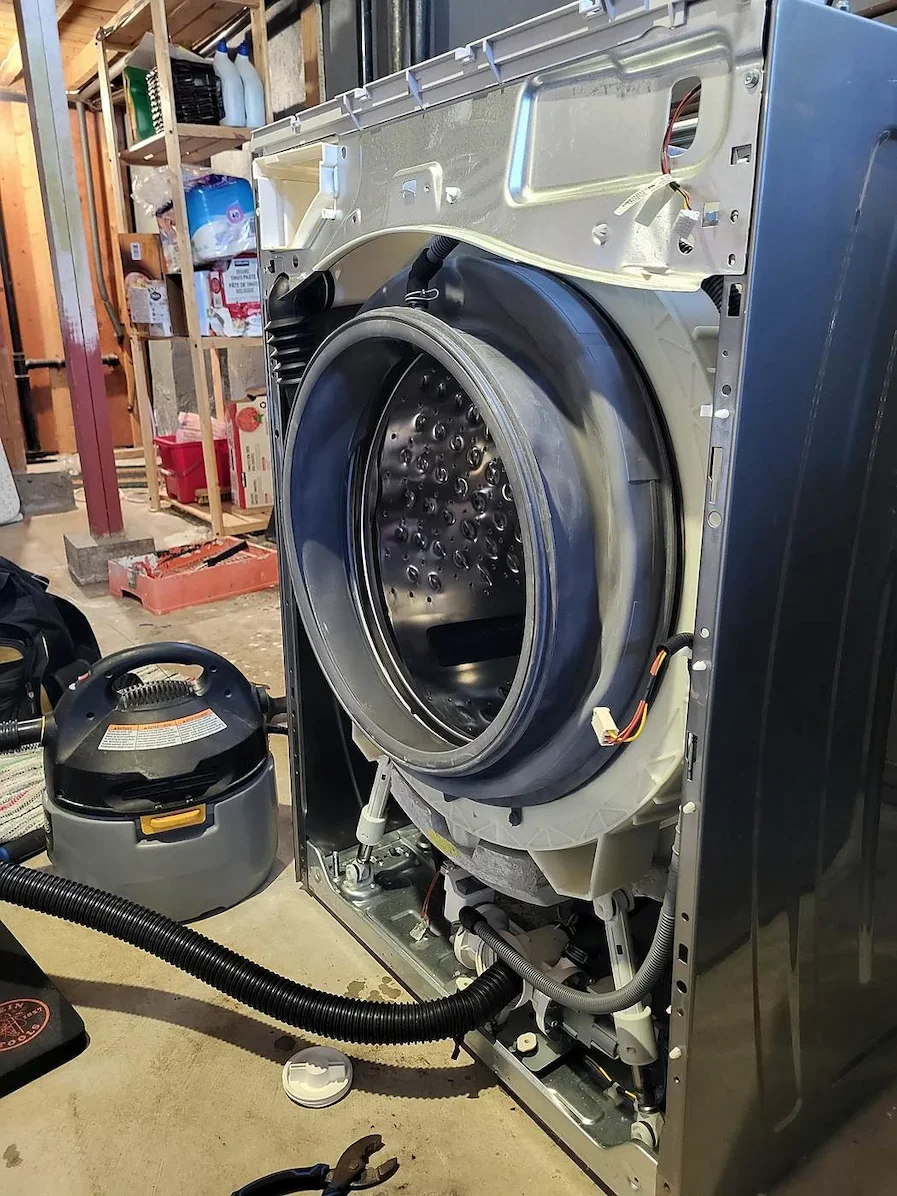
A Real Repair Story: LG Washing Machine Not Draining – OE Error Code
During a recent washer repair appointment in Ottawa, we inspected an LG washing machine displaying an OE error code.
Water had been sitting inside the drum for several days, creating a particularly unpleasant odour.
During our diagnostic testing, we discovered that the drain pump was producing an unusually loud mechanical noise when activated. The sound was consistent with an impeller that had become detached from its shaft or suffered internal mechanical damage.
After confirming the mechanical pump failure, we replaced the faulty drain pump and performed drainage and leak tests to verify proper operation.
The washing machine was draining normally again.
This is a good example of why identifying the actual cause of a drainage problem is important. An error code tells us which system is experiencing difficulty, but it doesn't necessarily tell us which component needs to be replaced.
LG, Samsung, Whirlpool and Other Washer Drainage Problems
While drainage problems can affect any washing machine brand, LG and Samsung washers, particularly LG models, are among those we frequently encounter with these issues during our service appointments.
LG Washer Not Draining – OE Error Code
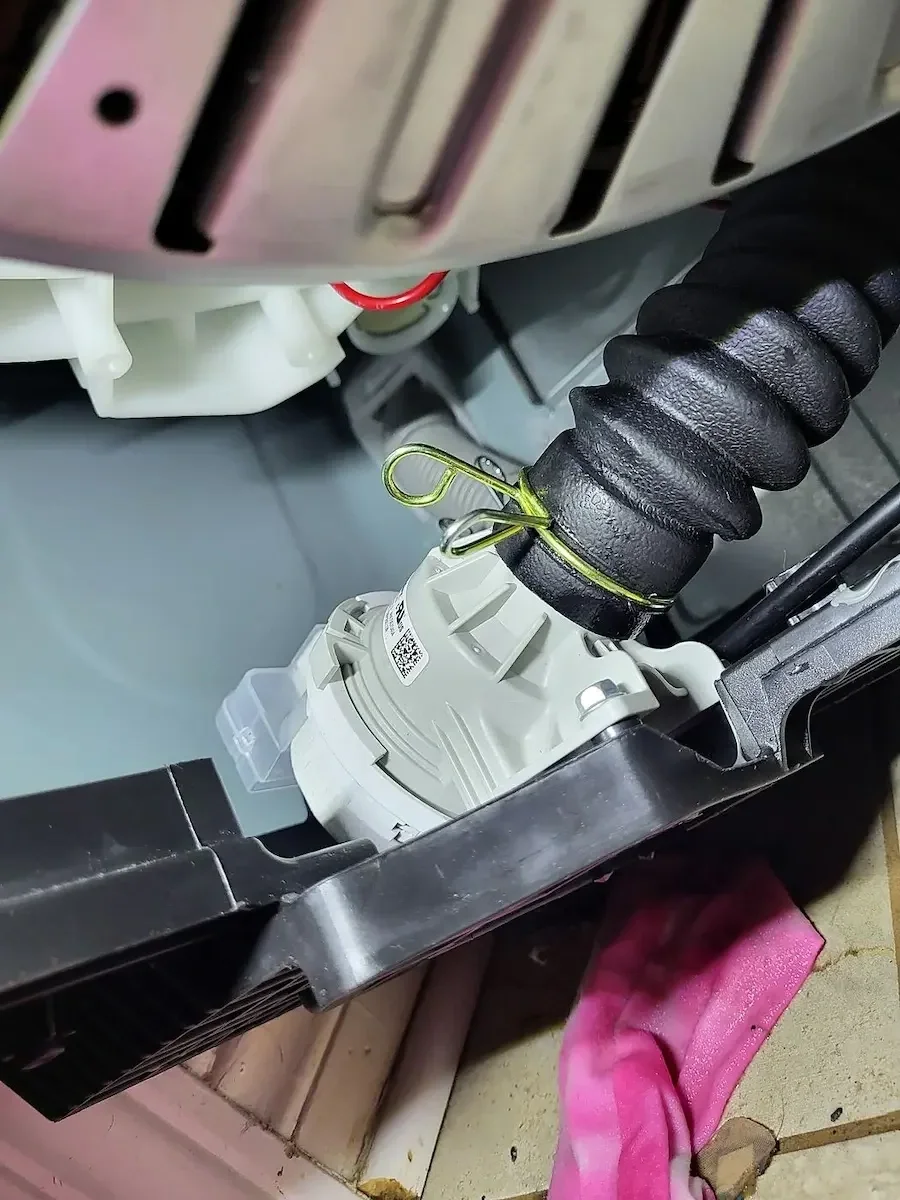
The LG OE error code indicates that the washing machine is having difficulty draining water.
Common causes include a clogged drain filter, blocked drain hose or faulty drain pump.
If your LG washer is making a humming or grinding noise while displaying an OE error code,
the drain pump and surrounding drainage components should be investigated.
Samsung Washer Not Draining – 5C, 5E or nd Error Code
Depending on the model, Samsung washing machines may display a 5C, 5E or nd error code when experiencing drainage problems.
Cleaning the accessible drain filter and checking the drain hose are useful starting points. If the problem continues, professional diagnosis may be necessary.
Whirlpool and Maytag Washer Not Draining
On many Whirlpool and Maytag washing machines, an F9 E1 error code indicates that the appliance is taking longer than expected to drain.
Some front-load models may also keep the door locked when the water level inside the drum remains too high.
This is a protective feature designed to help prevent flooding. Never force the door open while water remains inside the machine.
Electrolux and Frigidaire Washer Not Draining
Certain Electrolux and Frigidaire washing machines display an E21 error code when water cannot be drained within the expected time.
Drainage restrictions, pump failures and other system faults may be responsible.
At The Appliance Whisperer, we service LG, Samsung, Whirlpool, Maytag, Electrolux, Frigidaire, GE, Bosch, Amana and many more major appliance brands.
How to Fix a Washing Machine That Won't Drain: What You Can Safely Try at Home
Before scheduling a washer repair appointment, there are a few simple checks you can perform.
Step 1: Turn Off and Unplug the Washing Machine
Always disconnect the washing machine from its power supply before inspecting the drainage system.
If the machine has recently completed a hot wash cycle, allow the water to cool before attempting to remove it.
Step 2: Check the Drain Hose
Inspect the accessible portion of the drain hose for visible bends, damage or restrictions.
Make sure the hose is positioned according to the manufacturer's installation instructions.
Step 3: Manually Drain the Remaining Water
Many front-load washing machines have a small emergency drain hose located behind the lower service access cover, next to the drain pump filter.
If your model has this feature, it is generally one of the safest ways to remove standing water.
Place towels and a shallow container underneath the access area.
Carefully remove the emergency drain hose cap.
Allow the water to drain gradually into the container.
Empty the container as necessary.
Removing stagnant water can help reduce unpleasant odours while you wait for a repair appointment.
Avoid removing the drain pump filter completely while the washing machine is still full of water, as this can result in significant flooding.
If the emergency drain hose is blocked or your washing machine has no accessible drainage system, contact a professional technician.
Step 4: Clean the Drain Pump Filter
Once the remaining water has been safely removed, follow your owner's manual to access and clean the filter.
Remove any lint, pet hair, coins or other debris, rinse the filter and reinstall it securely.
Step 5: Run a Drain and Spin Cycle
After reinstalling all components correctly, reconnect the washing machine and select the Drain and Spin cycle, if available.
Monitor the appliance for proper drainage, unusual noises and any signs of leakage.
If the washing machine still won't drain, the error code returns, or the pump continues to make abnormal noises, further diagnostic testing is recommended.
Need help with a washing machine that won't drain? Our professional washer repair services in Ottawa can help identify the problem and get your laundry routine back on track.
Why Is My Washing Machine Leaking Only When Draining?
Not every drainage problem leaves water trapped inside the drum.
We sometimes receive service calls from customers whose washing machines appear to operate normally but develop a leak toward the end of the cycle.
During our inspections, we may find that the appliance only leaks when the drain pump activates.
Possible causes include a damaged pump housing, leaking drain hose, loose connections or a sharp foreign object that has damaged a drainage component.
For homeowners living in apartments and condominiums, even a washing machine leak that only occurs during drainage can cause significant water damage, potentially affecting neighbouring units.
If you notice water underneath your washing machine, stop using it until the source of the leak has been identified.
How to Prevent Washing Machine Drainage Problems
Proper maintenance can help reduce avoidable breakdowns and save money on appliance repairs.
Here are some preventive maintenance tips we regularly share with our customers.
Clean the Drain Pump Filter Regularly
For washing machines with customer-accessible filters, our general preventive maintenance recommendations are:
Households with pets: Clean the filter approximately every four months.
Households without pets: Clean the filter approximately every six months.
Heavy washing machine usage: Inspect and clean the filter more frequently if necessary.
Always follow your manufacturer's recommended maintenance intervals, especially if they require more frequent cleaning.
Empty Clothing Pockets Before Every Wash
Coins, screws, hairpins and other small objects can cause blockages, damage the drain pump or even create leaks.
Taking a few seconds to check clothing pockets can help prevent an expensive repair.
Use the Correct Amount of Detergent
Follow the manufacturer's detergent recommendations and use high-efficiency detergent when required.
Read Your Washing Machine's Owner's Manual
Every washing machine is different. Understanding your appliance's maintenance requirements can help prevent unnecessary breakdowns and extend its useful life.
At The Appliance Whisperer, we believe that repairing an appliance is only part of our job. Helping customers understand how to maintain their appliances and prevent future problems is equally important.
Is It Worth Replacing a Washing Machine Drain Pump?
In many cases, yes.
If your washing machine is otherwise in good condition, replacing a faulty drain pump may be significantly more economical than purchasing a new appliance.
Repair costs depend on the brand, model, required replacement parts and the nature of the problem.
We believe in providing honest diagnostics and transparent repair quotes before proceeding with any work.
If your washing machine can be repaired without replacing parts, we'll explain your options. If a replacement component is necessary, we'll help you make an informed decision.
Our goal is to provide the right solution, not sell you a repair you don't need.
Professional Washing Machine Repair in Ottawa and Surrounding Areas
When your washing machine stops working, getting reliable help shouldn't be complicated.
The Appliance Whisperer is a small, family-owned appliance repair business in Ottawa, delivering professional service with a personal touch.
With nearly nine years of hands-on appliance repair experience, we understand the importance of accurate diagnostics, quality workmanship and clear communication.
When you book an appointment with us, you can expect:
Fast responses and friendly customer service.
Same-day or next-day appointments whenever available.
Thorough diagnostics and honest recommendations.
Transparent repair quotes.
Premium-quality replacement parts.
Professional repairs backed by a repair warranty.
Helpful appliance maintenance advice.
Personal attention from a trusted local appliance technician.
We provide professional washing machine repair throughout Ottawa and surrounding areas, including Kanata, Barrhaven, Nepean, Stittsville, Orléans, Riverside South, Manotick, Gloucester, Alta Vista and nearby communities.
Whether you need an LG drain pump replacement, help with a Samsung washer error code or assistance with a Whirlpool washing machine that won't drain or spin, we're here to help.
Frequently Asked Questions
Why are my clothes still soaking wet after the wash cycle?
Your washing machine may not be draining properly or reaching its required spin speed. A blocked filter, faulty drain pump, unbalanced load or spin-related fault may be responsible.
Can a washing machine drain pump make noise and still be defective?
Yes. A drain pump can receive power and produce a humming or grinding noise without pumping water effectively. Mechanical damage, a worn impeller or an internal obstruction may be responsible.
Why is my washing machine door locked with water inside?
Many front-load washing machines prevent the door from unlocking when the water level is too high. This helps prevent flooding. Safely removing the remaining water according to the manufacturer's instructions may allow the door to unlock.
Why does my washing machine smell bad after it stops draining?
Stagnant water, detergent residue and wet laundry can create unpleasant odours when left inside the washing machine. Safely removing the remaining water as soon as possible can help reduce this problem.
How often should I clean my washing machine drain filter?
Follow your manufacturer's recommended maintenance schedule. As a general preventive measure, we recommend cleaning accessible filters approximately every four months for households with pets and every six months for households without pets, or more frequently when required.
Do you offer same-day washing machine repair in Ottawa?
Yes, same-day and next-day appointments are often available, depending on our schedule and your location. Contact us directly to check our earliest availability.
Washing Machine Still Not Draining? We're Here to Help.
Don't let a faulty washing machine disrupt your entire week.
Whether your washer is full of water, making unusual noises, leaving your clothes soaking wet or displaying a drainage-related error code, The Appliance Whisperer is here to help.
Call us today or request a service appointment online for professional washing machine repair in Ottawa and surrounding areas.
Reliable repairs, honest advice and personal service from a local appliance technician who cares.